
Overview
Rotary Feeder Valve
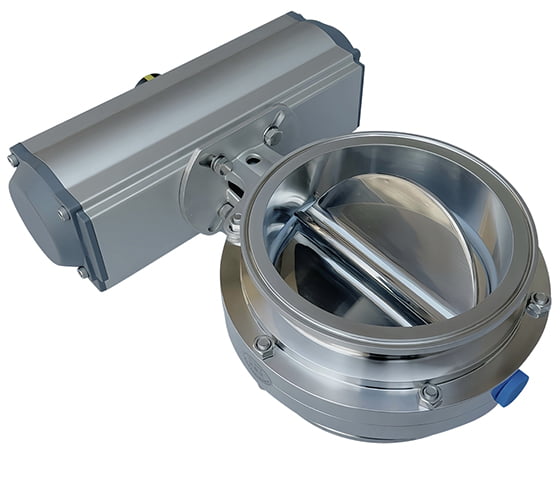
A rotary feeder valve is used to provide controlled and metered feeding of bulk solids, helping to prevent excessive material flow that could overload or block downstream equipment.
The rotor is driven by an electric motor or pneumatic actuator, allowing precise control of the feeding capacity. As the rotor turns, it delivers a consistent volume of material per revolution, enabling reliable process control.
1bar
Differential Pressure
0.05mm
Housing Clearance
GMP+
Compliant Design
Features
Sanitary Design
Smooth internal surfaces, and easy-maintenance designs to meet industry hygiene standards.
Robust Sealing Performance
Precision-machined rotor and housing provide tight clearances, effectively minimizing air leakage and preventing material backflow.
High Discharge Efficiency
Optimized rotor pockets provide consistent volumetric feeding, reduce material retention, and ensure smooth discharge.
Flexible Drive Options
Available with electric motor drive or pneumatic drive, allowing compatibility with different industrial environments and safety requirements.
Easy Integration
A space-saving body, standard flange connections, and flexible mounting options allow quick installation into hoppers, mixers etc.
Variable Speed Control
Different drive options enable adjustable rotor speed, allowing precise feed-rate control, improved process stability.
Specification
Technical Specifications
Lorem ipsum dolor sit amet, consectetur adipiscing elit, sed do eiusmod tempor incididunt ut labore et dolore magna aliqua.
Mechanical Parameters
| Rotor Diameter | DN 100 - DN 300 |
| Number of Pockets | 6 / 8 (configurable) |
| Rotor Speed | 5 - 30 RPM (VFD) |
| Volumetric Capacity | 2 - 40 L/rev |
| Housing Clearance | 0.05 - 0.2 mm |
| Leakage Rate | 0.1% - 0.5% |
| Drive Option | Electric or Pneumatic Drive |
Material & Process Parameters
| Contact Material | Stainless Steel / Ceramic Coating |
| Surface Finish | Ra ≤ 0.8 μm |
| Operating Temperature | -20 °C to +250 °C |
| Max. Differential Pressure | 1.0bar (standard) |
| Seal Type | PTFE / Mechanical Seal |
| Flange Standard | DIN / ANSI / Custom |
| ATEX Classification | Zone 20/21 (optional) |
Download Full Technical Datasheet
Get the complete specifications, and performance data in one document. PDF · ~2MB
Applications
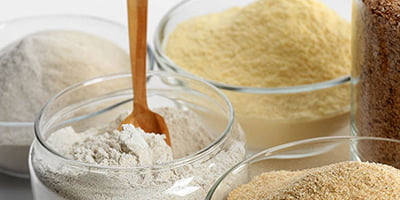
Food Ingredients
Applied for flour, sugar and powdered ingredients. Sanitary design and easy cleaning for food safety standards.

APIs & Excipients
Used for precise dosing fine APIs, excipients, and intermediates under GMP compliance.

Pigment & Catalyst
Stable feeding and dust control while supporting continuous conveying under different pressure conditions.
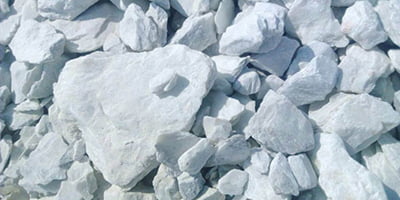
Limestone & Talc
Heavy-duty construction and wear-resistant components ensure reliable operation.
FAQ
Answers to the most common technical and commercial questions from procurement managers and process engineers evaluating rotary feeder valves.
Still have questions?
Our engineers are available for a 30-minute technical consultation.
Book a ConsultationHow do I choose between an electric or pneumatic drive?
Can the feeding rate be adjusted?
How can air leakage be minimized?
Are rotary valves suitable for sticky materials?
What maintenance does a rotary feeder valve require?
Related Equipment
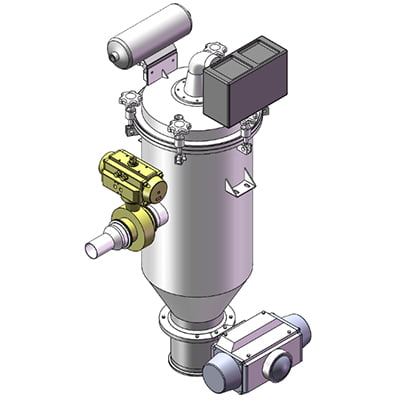
Vacuum Loader
Transfer powders and granules efficiently using vacuum suction, ensuring dust-free conveying.
Learn More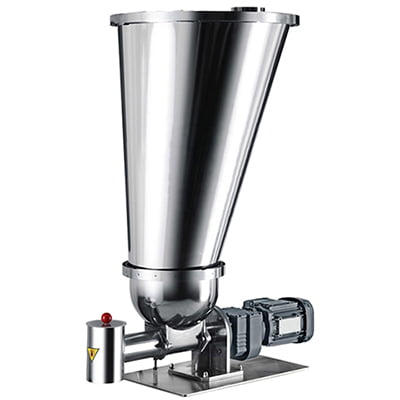
Volumetric Feeder
Delivers consistent material flow based on volume measurement, suitable for stable and simple dosing applications.
Learn More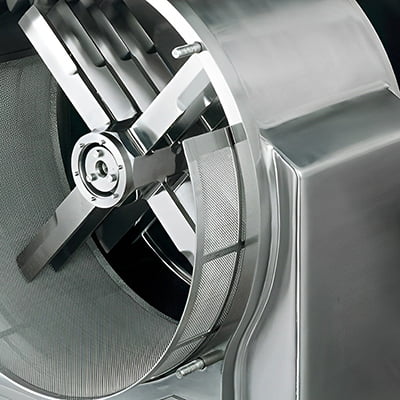
Hammer Mill
Reduces material size by high-speed rotating hammers, suitable for medium grinding of various brittle materials.
Learn More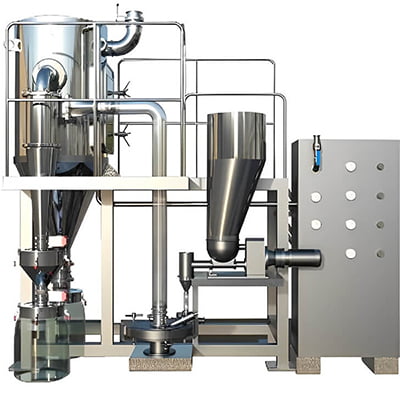
Jet Mill
Uses compressed gas to achieve ultra-fine grinding without heat, ideal for heat-sensitive and high-purity materials.
Learn More