
Overview
Lump Breaker
The lump breaker is a coarse grinder and pre-breaker for the size reduction of a varied range of applications such as deagglomeration, rework and breaking down/size reduction of lumps, plates, flakes of product. It could be custom design in single or twin shaft forms. The typical size after delumping is less than 20mm.
1-25mm
Screen Size
20m³/h
Throughput
GMP+
Compliant Design
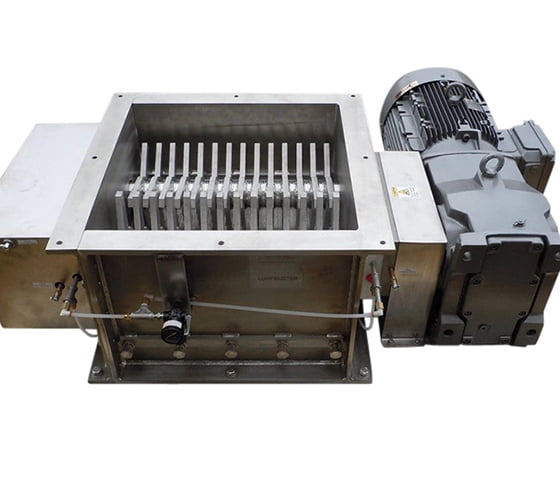
Principle
Designed to reduce oversized lumps.
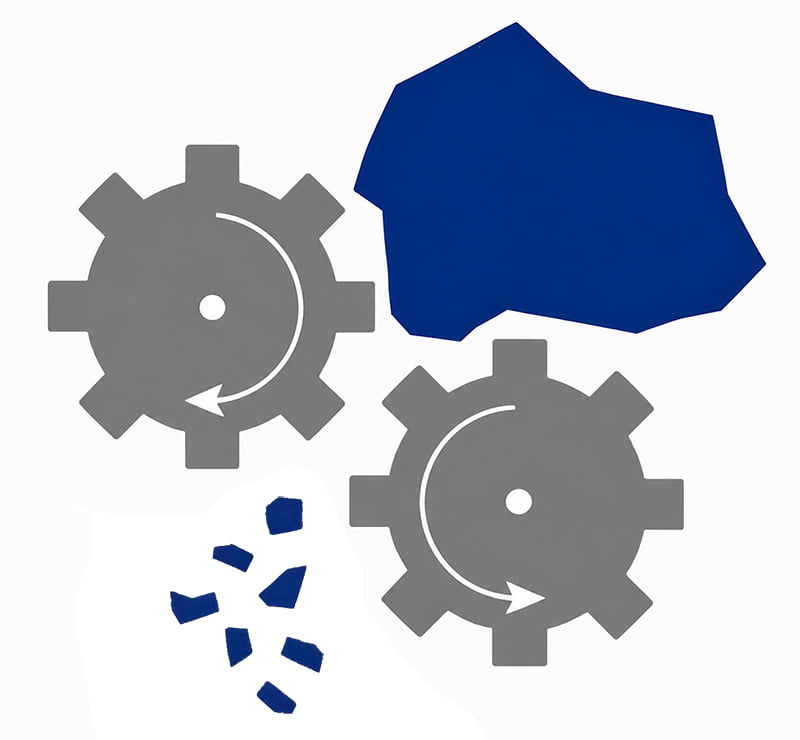
Lump breaker diagram
Lump Infeed
Oversized lumps or agglomerated material are fed into the inlet of the lump breaker through a hopper or directly from a conveyor, usually via gravity.
Breaking
Inside the chamber, rotating blades or paddles cut, crush, and break the lumps. The low-speed, high-torque design gently breaks apart soft agglomerates without damaging individual particles.
Discharge
The broken material passes through a perforated screen or grid. Particles smaller than the screen opening fall through and exit via the outlet.
Features
High Efficiency
Designed for continuous processing, capable of handling large volumes of material. By converting large lumps into smaller, free-flowing material, it helps prevent blockages and improves feeding, conveying, mixing etc.
Easy Maintenance
A lump breaker typically consists of one or two rotating shafts equipped with blades or paddles. It allows quick screen swaps to adjust the output particle size. This simplicity makes the equipment easy to maintain and clean.
Ease of Integration
Lump breakers are typically designed for "in-line" installation. They can be easily mounted directly under hoppers, or between conveyors, allowing for a seamless transition in material handling systems.
Specification
Standard Performance Parameters
| Feed Lump Size | Up to 300 mm |
| Output Particle Size | 1 - 25 mm |
| Throughput Range | 50 kg/h - 10,000 kg/h |
| Motor Power | 0.75 kW - 10 kW |
| Rotor Speed | 25 - 120 RPM (adjustable) |
| Mounting Position | Horizontal |
| Bulk Density Range | 0.1 - 2.5 g/cm³ |
Construction & Configuration Options
| Contact Material | Stainless Steel / Alloy Steel |
| Surface Finish | Ra ≤ 0.8μm |
| Sealing | Mechanical / Dry Gas Seal |
| Explosion Protection | Zone 20/21 optional |
| Inlet / Outlet | Flanged (DIN / ANSI) |
| Control | VFD / PLC |
| Certification | CE, GMP, ATEX |
Download Full Technical Datasheet
Get the complete specifications, and performance data in one document. PDF · ~2MB
Applications
It can be used where powders may form lumps.
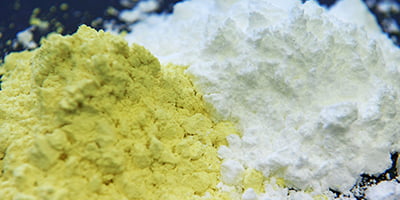
Pigments & Inorganic Salts
Raw materials often cake or form agglomerates during storage in silos or transit. Lump breakers are used to restore caked powders to their free-flowing state before they enter reactors or mixers.

Food Ingredients
By breaking down lumps gently, lump breakers help maintain product quality while ensuring hygienic and contamination-free processing conditions.

APIs & Excipients
Lump breakers are applied to process APIs and excipients that may form lumps due to humidity or compaction. Its low-heat operation is important for material integrity.

Urea & NPK Compounds
By gently breaking down compacted fertilizer lumps into smaller particles, lump breakers prevent blockages in screw feeders, rotary valves, and pneumatic conveying systems.
FAQ
Answers to the most common technical and commercial questions from procurement managers and process engineers evaluating lump breakers.
Still have questions?
Our engineers are available for a 30-minute technical consultation.
Book a ConsultationIs a lump breaker the same as a mill?
Does a lump breaker generate dust or fines?
Can a lump breaker handle wet or sticky materials?
Where is a lump breaker installed in a process line?
How much maintenance does a lump breaker require?
Related Equipment
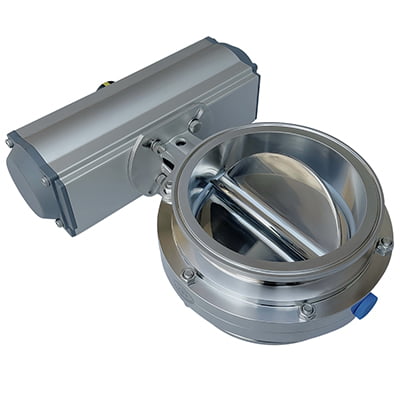
Rotary Feeder Valve
Provides controlled and metered feeding of bulk solids, helping to prevent excessive material flow.
Learn More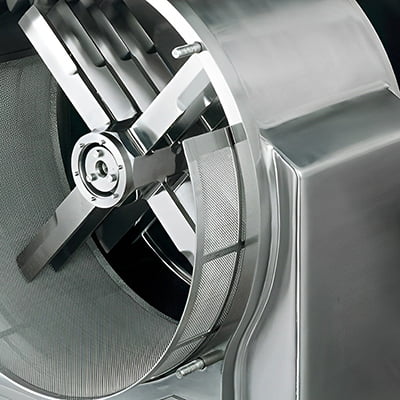
Hammer Mill
Reduces material size by high-speed rotating hammers, suitable for medium grinding of various brittle materials.
Learn More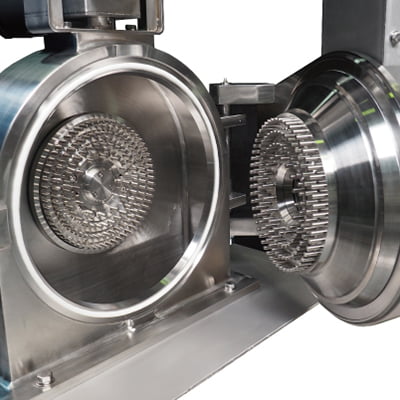
Pin Mill
Utilizes high-speed pin discs for fine grinding, providing uniform particle size distribution for dry, friable materials.
Learn More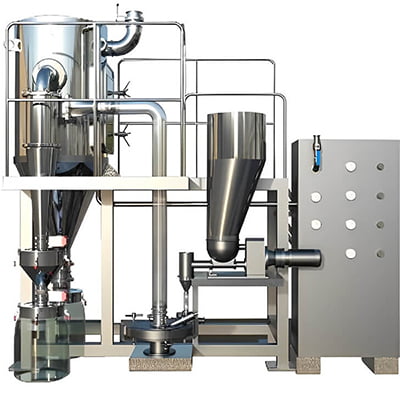
Jet Mill
Uses compressed air to achieve ultra-fine grinding without heat, ideal for heat-sensitive and high-purity materials.
Learn More