
Overview
Containment Isolator
A containment isolator is fully enclosed system designed to provide a high level of protection when handling hazardous, toxic, potent, or sensitive materials.
A containment isolator creates a physical barrier between the operator and the process area. Operators handle materials through glove ports, while the internal environment is controlled through airflow, filtration, pressure control, and validated cleaning.
Core Advantages
High Containment
It achieves Occupational Exposure Limits (OEL) <1 µg/m³, meeting OEB 4/5 requirements. Negative-pressure control, HEPA filtration and airtight design ensure zero cross-contamination.
Process Integration
Modular glove-box sections, pass boxes, RTP ports integrate seamlessly with milling, dispensing, or filling equipment to form a complete contained line.
GMP Compliance
Designed to meet GMP requirements, our isolators offer smooth internal surfaces, easy cleaning, sterilization, pressure monitoring, and documentation controls.
<1 µg/m³
OEB 5 Containment
OEB 1-5
Potency Band Range
SS 316L
GMP-Grade Steel
Containment Reference
OEB / OEL Occupational Exposure Levels
OEB 1-2 Containment
Open Processing
Standard ventilation, local exhaust, basic dust control.
OEB 3 Containment
Partial containment
Dust-tight equipment, negative-pressure booths, HEPA exhaust.
OEB 4-5 Containment
High Containment
Containment isolators, Split valves, WIP/CIP capability, HEPA filtration.
OEB 6 Containment
Very HIgh Containment
High-integrity isolators, closed automated systems and Highest-level PPE.
OEL values represent 8-hour TWA airborne concentration limits. Band classification per ISPE Risk-MaPP & SMEPAC guidelines. OEB 6 denotes extreme-hazard compounds (< 0.1 μg/m³) requiring absolute containment engineering controls.
Solutions
By creating a sealed physical barrier combined with controlled airflow, HEPA filtration, and glove-port access, these isolators prevent cross-contamination and ensure safe manipulation of high-potency ingredients.
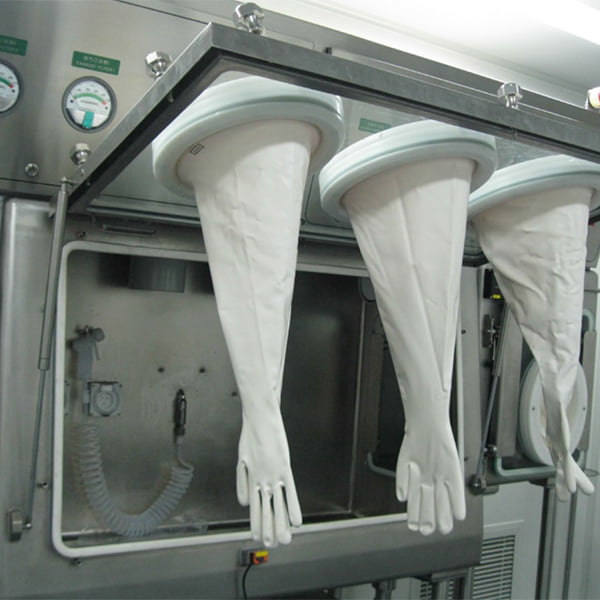
Dispensing & Weighing Isolator
Used for accurate weighing and dispensing of high-potency powders or hazardous materials. It helps reduce dust emission and operator exposure during manual powder handling.
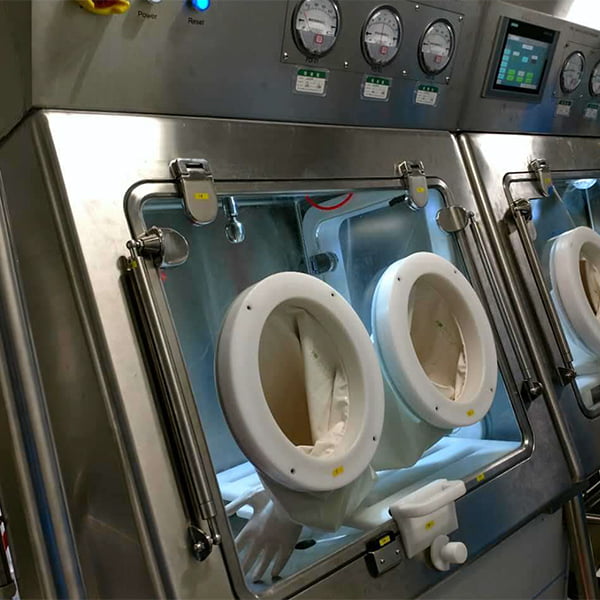
Sampling Isolator
Safe in-process sampling of hazardous, toxic, or high-potency materials. Suitable for QC lab interfaces and inline process monitoring with full audit trail capability.
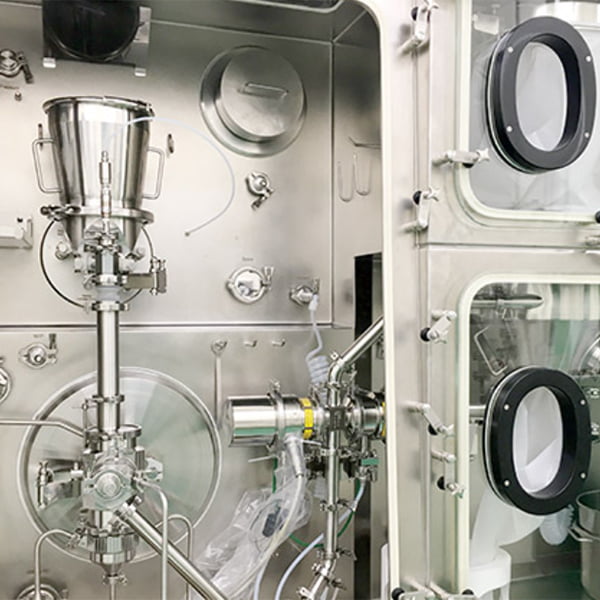
Milling Containment Isolator
Designed to contain dust generated during particle size reduction processes. It can be integrated with jet mill, pin mill, hammer mills to ensure safe processing.
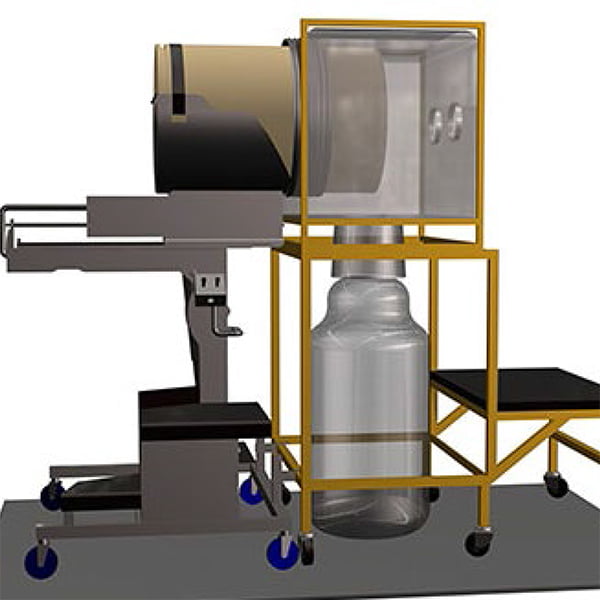
Charging/Discharging Isolator
Contained drum charging and discharging station for bulk powder transfer. It features continuous liner bag-in/bag-out system to prevent operator exposure during high-volume material handling.
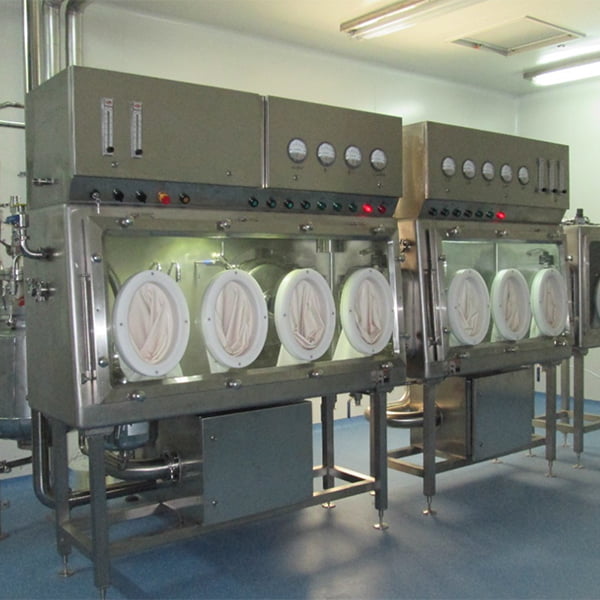
Filter Dryer Discharge Isolator
Used for the contained discharge of dried pharmaceutical or chemical products from filter dryers or vacuum dryers. It helps prevent exposure to dry powder, which can generate airborne dust.
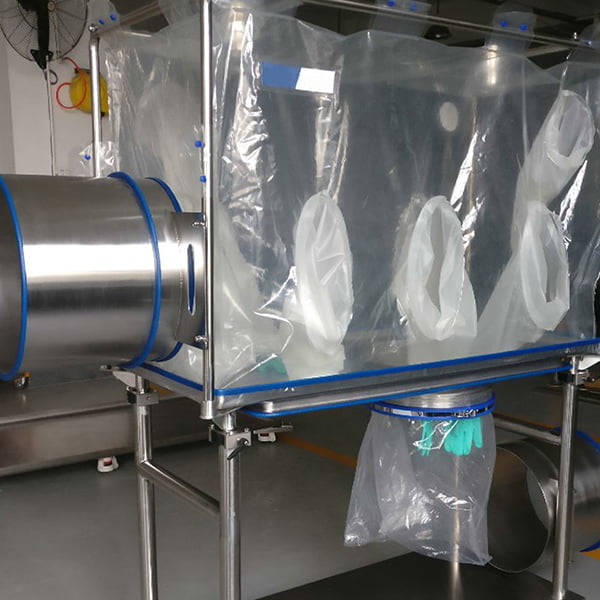
Flexible Isolator
A flexible film isolator with a larger interior volume and safety options. It offers a lightweight, modular, and cost-effective containment solution for handling hazardous materials.
Features
Engineered for Safety and Process Integrity.
High Containment Performance
Achieves OEB 4/5 containment levels with airborne particulate concentration below 1 μg/m³. Designed for potent active pharmaceutical ingredients and highly toxic compounds.
Airflow & Filtration System
Equipped with dual-stage HEPA filtration and a Bag-In/Bag-Out safe-change system, allowing operators to replace contaminated filters safely without breaking the containment barrier.
cGMP Compliance
Engineered to meet ISO 14644-7 standards for isolators, providing a validated Class A/ISO 5 environment where required. It comes with comprehensive IQ/OQ validation support.
Ergonomic Design
Multiple glove ports are positioned for comfortable and intuitive operator access. Gloves are available in various materials to match chemical compatibility and durability requirements.
Easy Cleaning
Constructed from premium stainless steel with a mirror-polished finish for efficient cleaning. Compatible with VHP, chemical disinfectants, and CIP/WIP systems.
Robust Monitoring & Control
Real-time pressure, airflow, and filter status monitoring with audible/visual alarms. Touchscreen HMI for easy control of ventilation, lighting, and auxiliary systems.
Specification
Containment Isolator Data Sheet
Containment Performance
- OEL Rating 0.1-10 μg/m³ (OEB 4/5)
- Pressure Differential −25 to −70 Pa
- HEPA Filtration H14 (EN 1822)
- Air Changes ≥ 20 ACH
Construction & Materials
- Chamber Material 316L Stainless Steel
- Surface Finish (Ra) ≤ 0.4 μm inside
- Glove Ports configurable
- Transfer System RTP / Bag-in-Bag-out
Compliance & Utilities
- Standards GMP / CE / ATEX
- CIP / WIP Optional
- Control System PLC + HMI (21 CFR Pt.11)
- Power Supply 400 V / 50 Hz (custom)
Download Full Technical Datasheet
Get the complete specifications, and performance data in one document. PDF · ~2MB
Applications
Safeguarding Operators and Environments.

API Handling
Used during the chemical synthesis of cytotoxic drugs, hormones, and oncology compounds where protecting the operator from toxic dust and vapors is the highest priority.
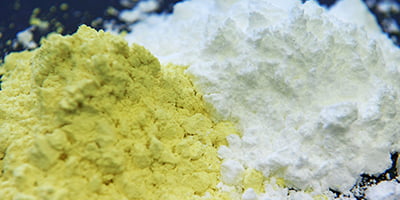
Highly Toxic Chemicals
Equipped with solvent-resistant components, containment isolators are suitable for contained charging, sampling, weighing, and transfer of hazardous powders and liquids.

Antibiotics & Hormones
Containment isolators provide a safe and compliant working environment for operators while ensuring product integrity and preventing cross-contamination between different veterinary drug products.

Flavors & Additives
Containment isolators are suitable for handling concentrated flavors, additives, enzymes, and fine powders in the food industry, helping improve operator safety and product hygiene.
FAQ
Answers to the most common technical and commercial questions from procurement managers and process engineers evaluating containment solutions.
Still have questions?
Our engineers are available for a 30-minute technical consultation.
Book a ConsultationWhat is the maximum containment level this isolator can achieve?
What applications are containment isolators used for?
What materials are used to construct containment isolators?
How are containment isolators cleaned or decontaminated?
Can containment isolators be customized?
Related Equipment
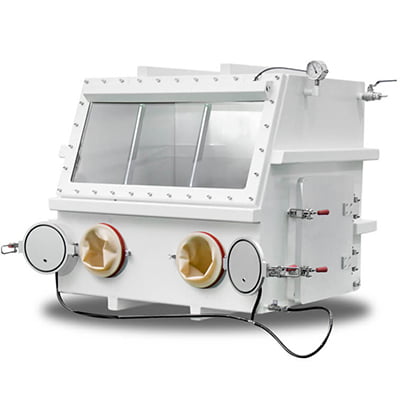
Laboratory Glove Box
Provides a sealed, inert atmosphere for handling air-sensitive materials; protects samples and users.
Learn More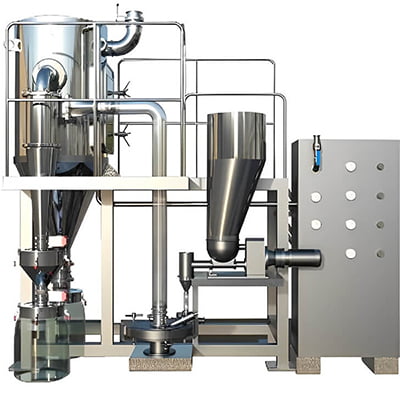
Jet Mill
Uses compressed gas to achieve ultra-fine grinding without heat, ideal for heat-sensitive and high-purity materials.
Learn More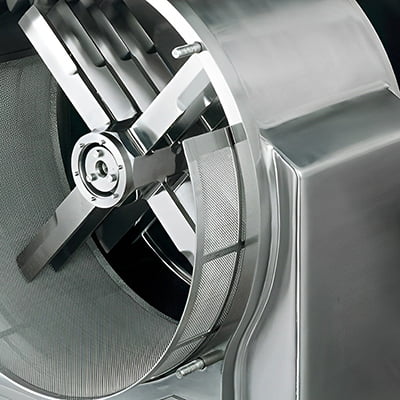
Hammer Mill
Reduces material size by high-speed rotating hammers, suitable for medium grinding of various brittle materials.
Learn More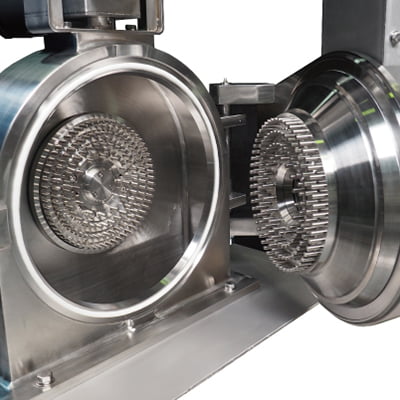
Pin Mill
Utilizes high-speed pin discs for fine grinding, providing uniform particle size distribution for dry, friable materials.
Learn More