
Overview
Air Classifier Mill
An air classifier mill combines a mechanical impact mill with an integrated dynamic air classifier. It is an air swept mechanical impact mill designed to grind materials down to 10 microns.
Air classifier mills offer precise particle size control, narrow particle size distribution, and high production efficiency.
D90<10μm
Fineness Range
1t/h
Max Throughput
1-5Mohs
Marterial Hardness
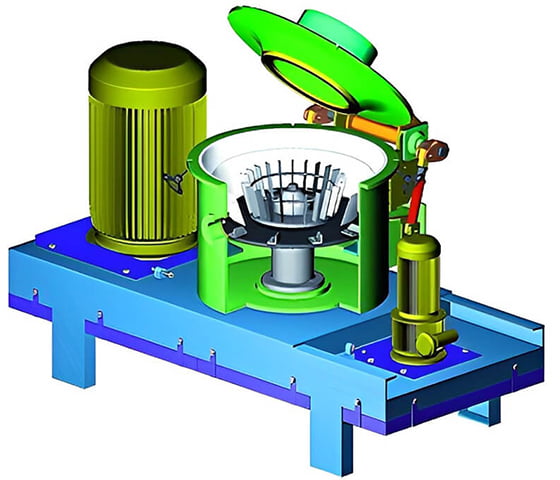
Principle
How does an air classifier mill work?
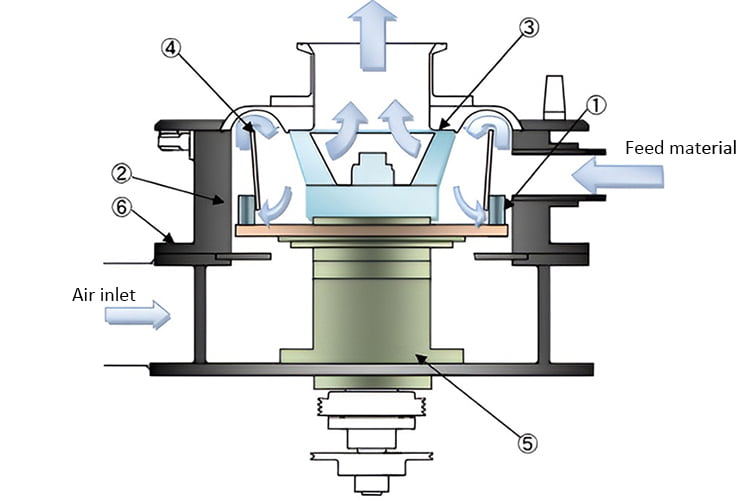
Air Classifier mill working principle
- 1. Mill rotor
- 2. Liner
- 3. Classifying wheel
- 4. Guide plate
- 5. Rotor
- 6. Housing
Material Feeding
The raw feed material is continuously introduced into the system through a pneumatic feed duct, drawing it directly into the grinding chamber.
Impact Size Reduction
Once inside the grinding zone, the material encounters the grinding disc rotating at extremely high tip speeds ranging from 70 to 120 m/s. Size reduction is achieved through a combination of impact, shear, and inter-particle attrition.
Dynamic Classification
The final product particle size is precisely adjusted by changing the speed of the classifier wheel. Higher speeds generate higher centrifugal force, resulting in a finer cut point.
Product Collection & Discharge
The qualified fine product exits the top of the mill and enters a downstream cyclone separator, where the bulk of the finished powder is separated from the air vortex and discharged.
Features
Engineered for Your Particle Size.
Two-in-One Integration
Integrates mechanical grinding and dynamic classification in a single unit, eliminating the need for separate screening equipment.
Sharp & Adjustable Precision of Cut
High classification accuracy; the classifier rotor speed is independently controlled by a VFD, allowing easy online adjustment of product fineness.
High purity & Wear protection
For medium-hard or metal-sensitive materials, key components can be lined with alloy steel, alumina, zirconia, or tungsten carbide to ensure no metal contact and high product purity.
Specification
ACM Series — Data Sheet
| Model | Rated power (kW) | Grinding speed (rpm) | Capacity (kg/h) | Air flow rate (m³/h) |
|---|---|---|---|---|
| ACM150 | 7.8 | 12,000 | 0.5 - 5 | 5 |
| ACM300 | 17 | 7,000 | 5 - 80 | 10 |
| ACM350 | 30 | 6,800 | 50 - 500 | 20 |
| ACM450 | 48 | 5,000 | 80 - 1,000 | 40 |
* Capacity values are indicative and depend on material properties, target fineness.
General Parameters
- Achievable D90 < 10 - 120 μm
- Feed Particle Size (max) ≤ 10 mm
- Contact Material Stainless steel / Ceramic
- Grinding speeds 60 - 130 m/s
- Hardness of material 1 - 5 Mohs
Download Full Technical Datasheet
Get the complete specifications, and performance data in one document. PDF · ~2MB
Applications
Applicable to demanding production environments.

Spices & Grains
ACM's self-cooling airflow makes it ideal for fatty, or fibrous food materials, preserving flavor and preventing clogging.
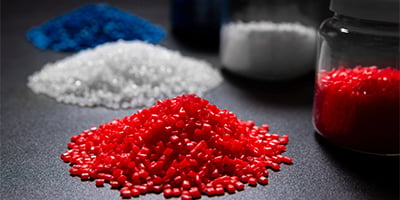
Agrochemicals & Polymer
ACMs are widely used in the fine chemical sector for processing heat-sensitive, sticky, or abrasive materials.
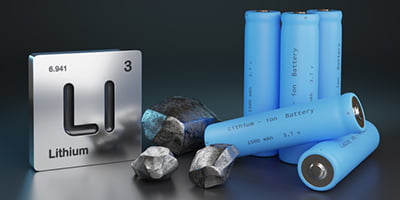
Cathode & Anode
Ceramic-lined options (alumina, zirconia, tungsten carbide) ensure zero metal contamination and tight particle size distribution.
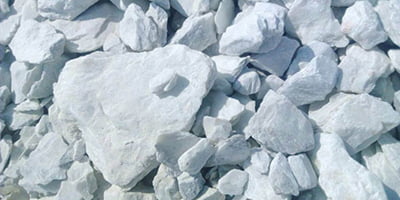
Non-Metallic Minerals
Utilizing its dynamic classifier wheel, the ACM processes industrial minerals into uniform fine powders in a single pass.
FAQ
Answers to the most common technical and commercial questions from procurement managers and process engineers evaluating air classifier mills.
Still have questions?
Our engineers are available for a 30-minute technical consultation.
Book a ConsultationWhat particle size can an ACM achieve?
An Air Classifier Mill (ACM) can typically achieve a product fineness in the range of D90 = 10 to 100 µm, depending on the material characteristics and system configuration.
For ultra-fine powders below a few microns, a jet mill or other ultra-fine grinding equipment may be more suitable.
How do I adjust the particle fineness of the ACM?
Adjust the particle size mainly through the following methods.
- Increase Wheel Speed – Higher centrifugal force → Only finer particles pass.
- Reduce Airflow – Lower inward suction → Coarse particles stay behind → Product gets finer.
What equipment is usually included in an ACM system?
What materials are ACM not suitable for?
- High-Hardness & Highly Abrasive Materials – Severe wear on hammers and metal pollution.
- High-Fat, Sticky, or Oily Materials – Blinds the classifier wheel slots.
- High-Toughness & Elastic Materials – Cannot be shattered by impact.
Is the ACM suitable for pharmaceutical production?
It is not recommended for pharmaceutical application based on our experience. The reasons are as follows:
- Complex structure with dead zones – It is difficult to clean.
- Mechanical heat generation – This can cause thermal degradation, melting, or loss of potency.
Related Equipment
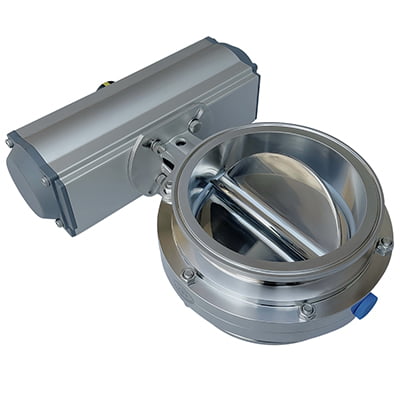
Rotary Feeder Valve
Provides controlled and metered feeding of bulk solids, helping to prevent excessive material flow.
Learn More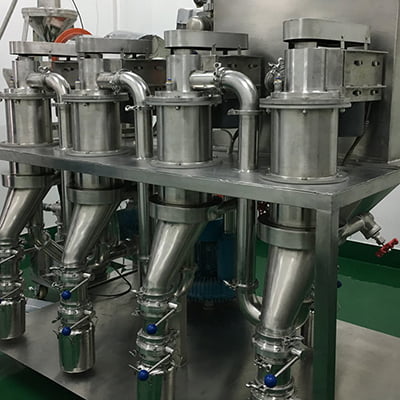
Air Classifier
Separates fine and coarse particles using controlled airflow; provides sharp cuts and precise particle size distribution.
Learn More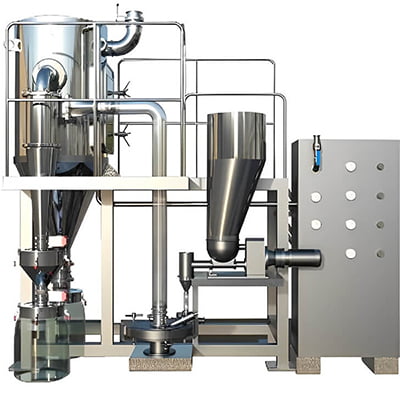
Jet Mill
Uses compressed air to achieve ultra-fine grinding without heat, ideal for heat-sensitive and high-purity materials.
Learn More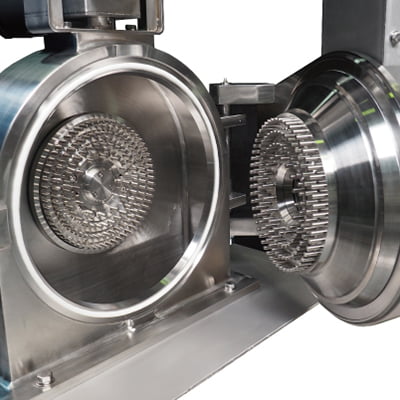
Pin Mill
Utilizes high-speed pin discs for fine grinding, providing uniform particle size distribution for dry, friable materials.
Learn More