
Mohs Hardness Scale
The Mohs Hardness Scale is a qualitative ordinal scale that characterizes the scratch resistance of various minerals through the ability of a harder material to scratch a softer material.
This scale is not a linear scale, but rather a relative or ordinal scale. It ranges from 1 to 10 with 1 being the softest mineral and 10 being the hardest.
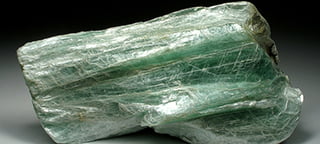
1
Mohs
Talc
Softest known mineral. Easily scratched by fingernail. Used in cosmetics, pharmaceuticals, and food-grade powders.
Also at this level
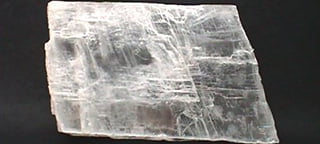
2
Mohs
Gypsum
Can be scratched by fingernail. Widely used in construction materials, cement retarder, and pharmaceutical excipients.
Also at this level
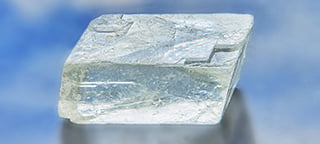
3
Mohs
Calcite
Scratched by a copper coin. Core raw material for calcium carbonate powders in plastics, coatings, and pharma.
Also at this level
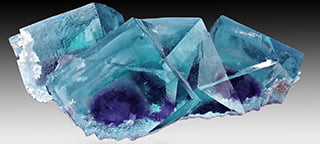
4
Mohs
Fluorite
Easily scratched by a knife. Used in steel production, optical lenses, and as a flux in metallurgy.
Also at this level
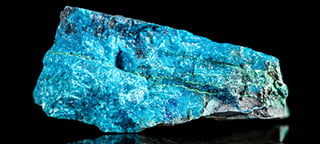
5
Mohs
Apatite
Scratched by a steel knife with difficulty. Key source of phosphate for fertilizers and pharmaceutical calcium compounds.
Also at this level
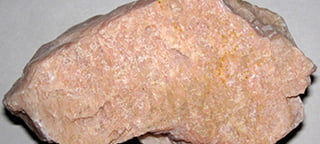
6
Mohs
Feldspar
Scratches glass easily. Major raw material in ceramics, glass manufacturing, and as filler in rubber and plastics.
Also at this level
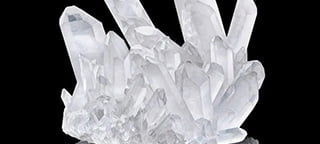
7
Mohs
Quartz
Scratches steel and glass. Widely used in semiconductor, photovoltaic, coatings, and high-purity filler applications.
Also at this level
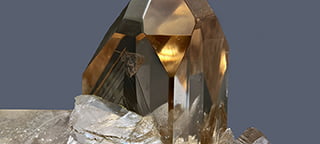
8
Mohs
Topaz
Scratches quartz. Used in abrasives, refractory materials, and advanced ceramic precursors.
Also at this level
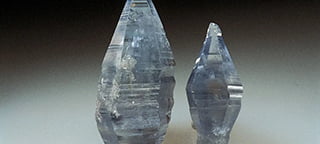
9
Mohs
Corundum
Scratches all common materials. Includes ruby and sapphire. Key abrasive material and substrate for LED, semiconductor wafers.
Also at this level
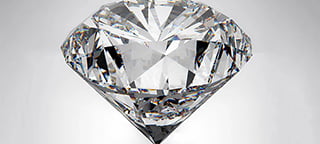
10
Mohs
Diamond
Hardest known natural material. Used in cutting tools, abrasive powders, semiconductor substrates, and precision optics.
Also at this level
Not sure which system fits your material?
Our engineers analyze your material hardness, particle size targets, and throughput to recommend the optimal solution.